
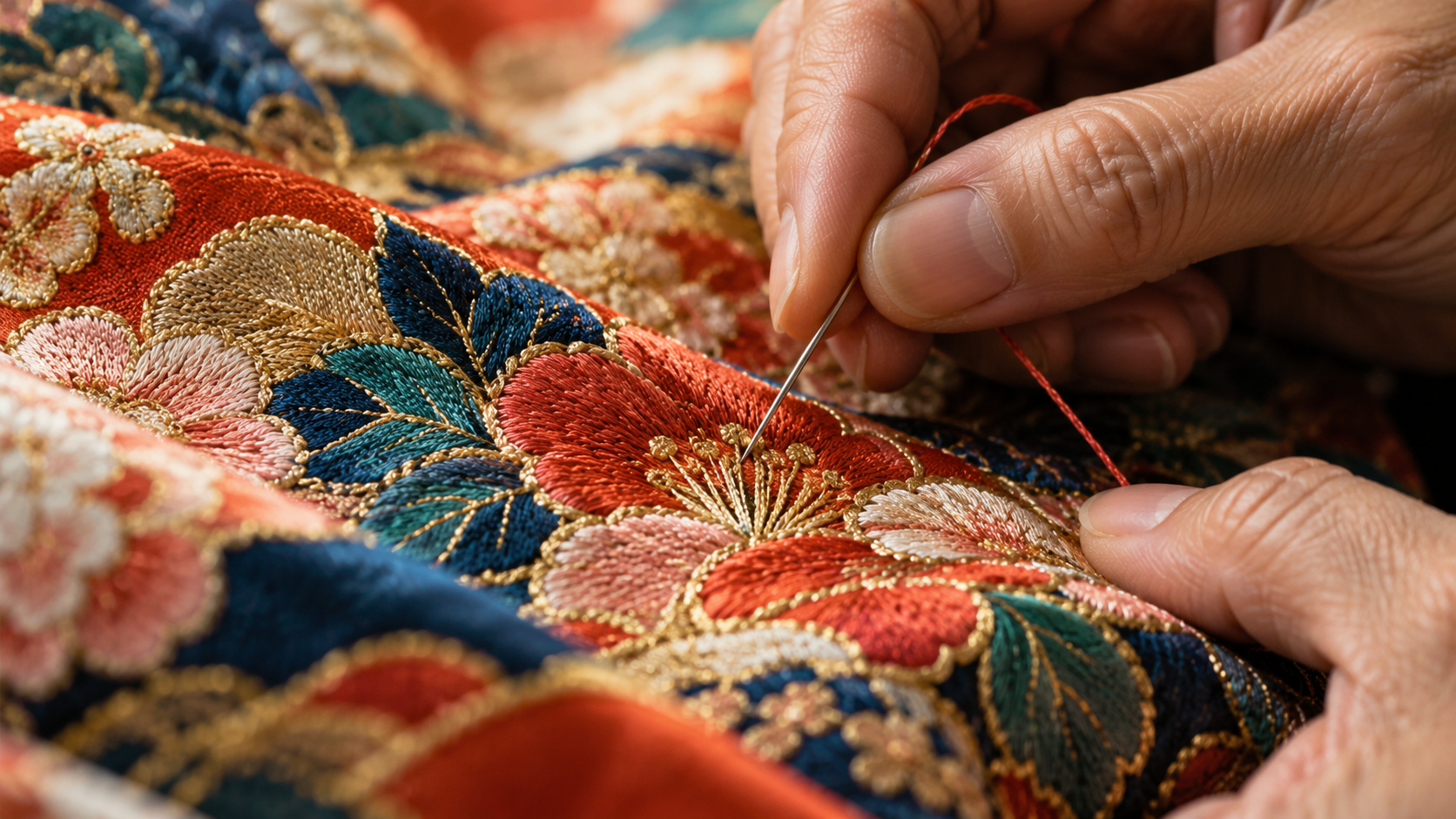
A beautiful finished object is a strong opening shot. It is rarely the whole story. When we film a craftsperson, the moment that stays with viewers is often smaller: a practiced hand testing a material, a tool meeting a surface, or the pause before a difficult step.
We have spent years filming artisans across Japan, working in many kinds of workshops and with many different materials. That experience has taught us to look beyond the finished object: a useful film shows the maker's decisions, the rhythm of the process, and the details a viewer might otherwise miss. Our video production work is built around that combination of careful observation and a clear plan for where the film will be seen.
Here is the approach we would use to plan one.
Start with the maker, not a shot list
Before filming, ask what the artisan wants a viewer to understand. Which step takes the most skill? Which part of the process is easy to miss? Is there an object or tool with a story of its own? Those answers turn a generic sequence of attractive close-ups into a film with a point of view.
A short conversation also reveals what the camera must avoid: an unsafe position, a private part of the workshop, or a stage of production that cannot be repeated for coverage. Build the schedule around the real process instead of asking the maker to interrupt it repeatedly. For a visiting crew, local production support can handle those access and language conversations before the shoot, leaving more time to film the work itself.
Film the sequence that explains the craft
A viewer should be able to follow the transformation from raw material to finished work. We would prioritize an establishing view of the workspace, the material before work begins, several decisive stages, the maker's hands and expression, and a clean view of the final result. Transitional details—setting down a tool, checking a surface, moving to the next station—help the edit breathe.
Do not rely on one lens or one camera height. A wide shot gives context; a medium shot shows posture and technique; a close shot makes the tiny decisions visible. Hold each action long enough for an editor to use it, including a little time before and after the movement.
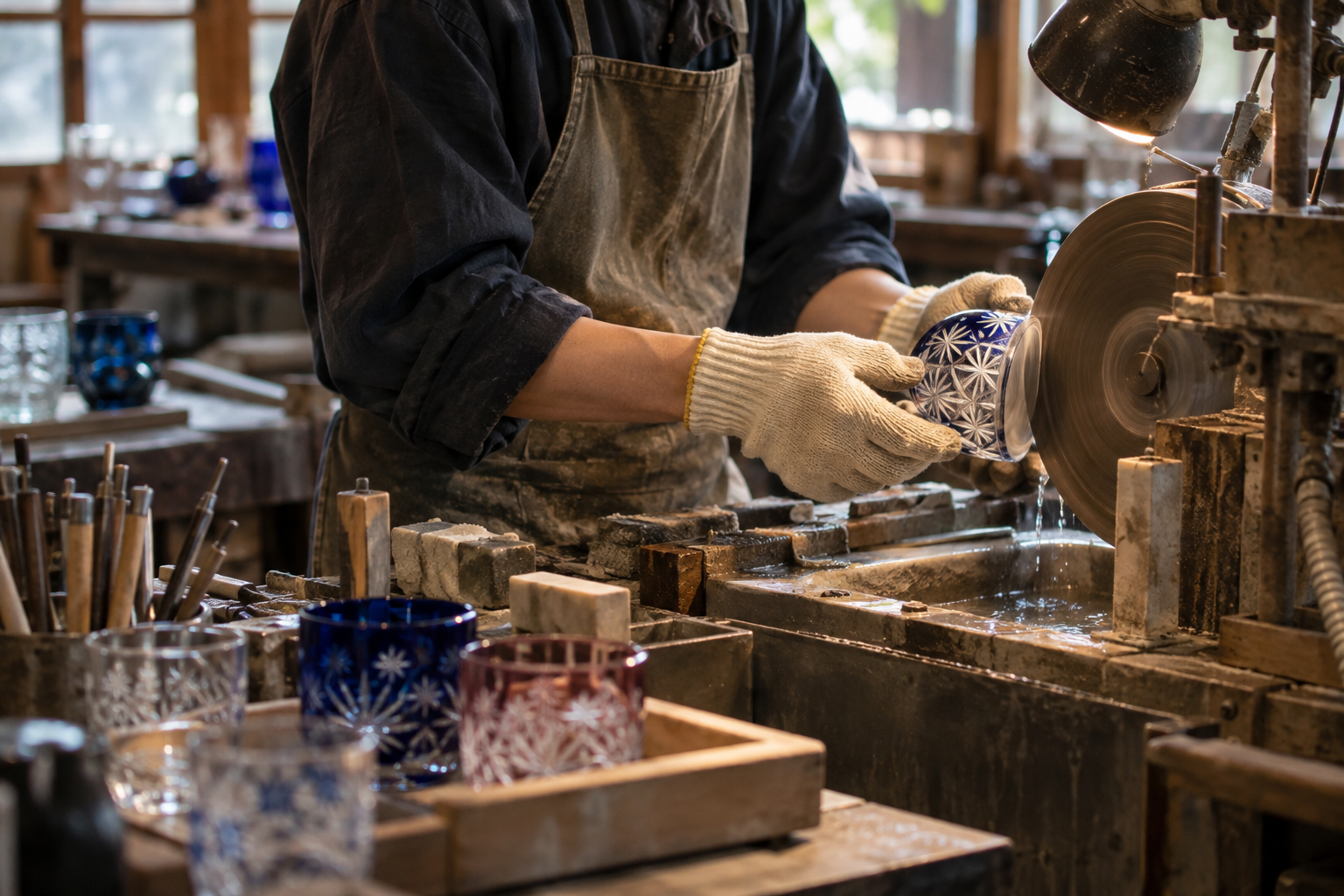
Let the workshop sound tell part of the story
The scrape, tap, cut, or turn of a tool can be as distinctive as the image. Capture clean room tone and isolated process sounds before the workshop changes pace. If the craftsperson speaks while working, decide whether that voice belongs in the scene or whether a quieter interview will be clearer. Keep the recording setup compact so it does not interfere with their work.
Plan for the places the film will appear
A horizontal film for a website and a vertical cut for social media need different framing. Decide on the deliverables before the shoot. Leave room around key actions so a vertical crop can still show the hands, tool, and object; capture a few deliberate vertical shots when the process allows. Keep a simple record of names, materials, and place names so captions and translations can be checked later.
For a multi-location project, make the visual language consistent without making every workshop look identical. Repeat a few useful shot types and interview questions, then make space for the detail that is unique to each maker. The common structure helps a series feel connected; the specific craft gives each film its character.
A practical pre-shoot checklist
Confirm the maker's preferred story, filming access, and any areas or techniques that should stay off camera.
Map the process in order and identify steps that happen only once.
Check available light, power, noise, workspace size, and safe camera positions.
Agree on final aspect ratios, captions, language versions, and review contacts before filming.
Reserve time for process sound, product details, and a short conversation with the maker.
Good craft filmmaking makes the viewer understand why the work matters, not simply admire the finished object. If you are planning an artisan or product story in Japan and need a crew that can work carefully around the maker's process, tell us about the workshop and the audience you want to reach.